



The rapid rise of AI-native applications is changing how companies approach product engineering. Mobile and web applications are no longer static interfaces connected to traditional backend systems. In 2026, many digital products are being redesigned around AI copilots, recommendation systems, intelligent automation, conversational workflows, and real-time personalization.
This shift is creating new technical demands for engineering teams.
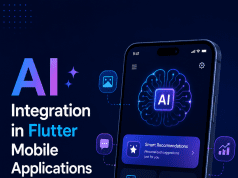
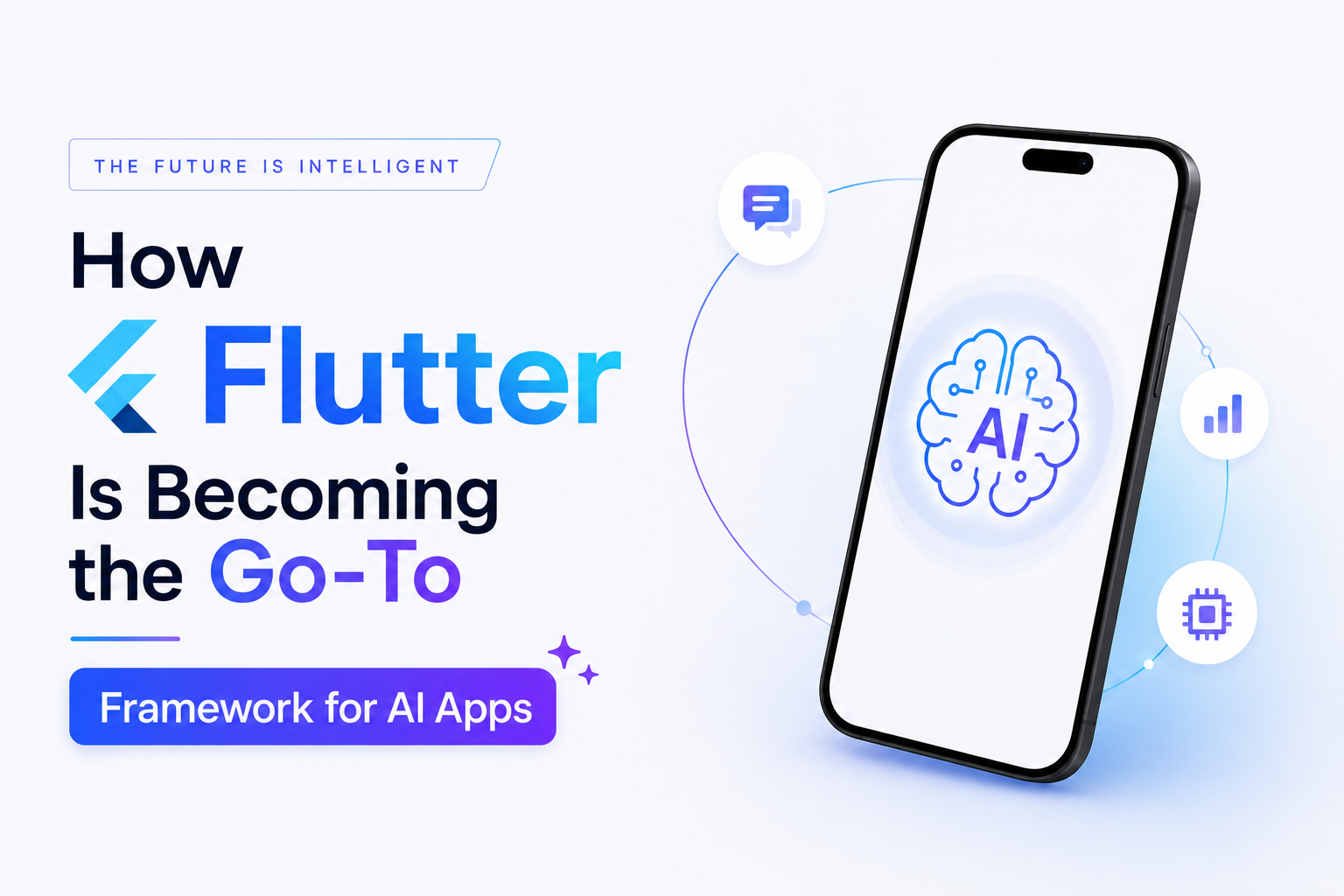
Organizations building AI-powered products now need development frameworks capable of supporting fast iteration cycles, scalable cross-platform deployment, consistent user experiences, and seamless AI integration. As these requirements grow, Flutter is increasingly becoming one of the preferred frameworks for AI application development.
The momentum behind Flutter is no longer limited to startup ecosystems.
Large enterprises across North America are also evaluating Flutter for AI-powered customer applications, enterprise mobility platforms, internal operational systems, and intelligent digital products. Engineering leaders are prioritizing frameworks that can reduce development overhead while supporting modern AI-driven experiences across multiple platforms simultaneously.
That combination is becoming difficult to ignore.
Originally known for mobile app development, Flutter has evolved into a broader cross-platform engineering framework supporting Android, iOS, web, desktop, and embedded experiences from a single codebase. This flexibility is becoming highly valuable for organizations trying to scale AI-native products efficiently.
The timing also matters.
AI product development cycles are accelerating quickly. Companies can no longer spend years building separate platform experiences while competitors release AI-enabled features continuously. Product teams now need infrastructure and frameworks that support rapid experimentation without compromising scalability or performance.
Flutter fits well into that operational model.
According to developer ecosystem reports and enterprise engineering trends, Flutter continues seeing strong adoption globally, particularly among organizations prioritizing cross-platform scalability and faster product delivery. The framework’s growing ecosystem, strong developer community, and integration flexibility are contributing to its increasing role in AI-focused product engineering strategies.
This trend is especially visible in industries building customer-facing AI experiences such as fintech, healthcare, ecommerce, logistics, education technology, and enterprise SaaS platforms.
The conversation is no longer only about app development speed. It is about enabling scalable AI experiences across distributed digital ecosystems.
Why AI Applications Need Faster Product Engineering Cycles
AI-native applications operate differently from traditional software products.
Unlike static applications with predictable workflows, AI-driven products evolve continuously. Models improve, recommendation systems change, workflows adapt, and user behavior shifts rapidly. This creates ongoing iteration requirements for engineering teams.
Many organizations struggle to keep pace.
Managing separate native codebases for iOS, Android, and web applications often slows product releases, increases maintenance costs, and creates inconsistent user experiences. These problems become more severe when AI functionality requires frequent deployment updates.
Flutter addresses many of these operational challenges directly.
Because Flutter supports cross-platform development from a unified codebase, teams can release AI-enabled features faster while maintaining design consistency across platforms. This becomes especially valuable for enterprises managing large-scale digital products with distributed user bases.
The framework is also increasingly compatible with modern AI development workflows.
Flutter applications can integrate with:
- Generative AI APIs
- AI recommendation engines
- Conversational AI systems
- Real-time analytics platforms
- AI inference services
- Cloud-native backend infrastructure
- Vector databases and semantic search systems
This flexibility allows organizations to build AI-native user experiences without heavily fragmenting their engineering environments.
Another major advantage is interface performance.
AI applications often require dynamic, real-time interactions that depend on responsive front-end experiences. Flutter’s rendering engine and customizable UI architecture make it easier for teams to create adaptive interfaces optimized for conversational workflows, AI-driven personalization, and intelligent recommendations.
This matters because user expectations are changing rapidly.
Employees and consumers increasingly expect AI experiences that feel responsive, contextual, and seamless across devices. Slow or inconsistent interfaces reduce trust in AI systems quickly.
For enterprise engineering leaders, Flutter also provides operational efficiency benefits. Maintaining unified development teams instead of multiple platform-specific engineering groups can reduce coordination overhead while accelerating deployment cycles.
However, AI-native product engineering still introduces significant infrastructure challenges.
Organizations building intelligent applications must manage scalability, API orchestration, cloud performance, governance requirements, and observability frameworks simultaneously. Flutter simplifies front-end development, but backend AI architecture remains a critical operational priority.
This is why many enterprises are combining Flutter adoption with broader cloud modernization and AI infrastructure strategies.
Companies like GeekyAnts, Very Good Ventures, and Invertase are among the organizations actively contributing to Flutter-based product engineering ecosystems and helping businesses scale cross-platform AI application development initiatives.
Flutter Is Supporting the Shift Toward AI-Native Experiences
One of the biggest reasons Flutter is gaining momentum in AI development is its ability to support modern interaction models effectively.
Traditional mobile frameworks were primarily optimized for static user journeys and predictable workflows. AI-native applications require more adaptive experiences.
This includes:
- Conversational interfaces
- Real-time recommendations
- Dynamic personalization
- AI copilots
- Context-aware workflows
- Multi-modal interactions
Flutter’s flexible UI architecture allows teams to design these experiences more efficiently across platforms.
The framework is also increasingly popular among startups building AI-first products because speed-to-market matters significantly in competitive AI sectors. Smaller engineering teams can ship cross-platform AI applications quickly without maintaining multiple native development pipelines.
This operational efficiency is becoming a major advantage.
At the same time, enterprise adoption is expanding because Flutter aligns with broader platform consolidation strategies. Large organizations are under pressure to reduce engineering fragmentation while improving digital experience consistency across customer and employee applications.
Flutter helps address both challenges.
Another factor driving adoption is AI experimentation velocity.
Product teams working on AI-enabled experiences often need to test workflows rapidly, iterate user interfaces continuously, and deploy updates frequently based on AI performance feedback. Flutter’s hot reload environment and modular architecture support faster iteration cycles compared to many traditional enterprise development environments.
However, enterprises are also becoming more selective about long-term scalability.
AI-native applications can place significant pressure on backend systems through real-time inference requests, personalization engines, and high-volume API interactions. Organizations adopting Flutter still need robust cloud infrastructure capable of supporting intelligent workloads at scale.
Security and governance also remain important concerns.
AI applications operating across regulated industries must support auditability, secure data handling, and compliance requirements. This is especially relevant for enterprises in healthcare, finance, insurance, and logistics sectors deploying AI-enabled mobile systems.
As a result, Flutter adoption often happens alongside broader investments in cloud-native infrastructure, DevOps modernization, and AI governance frameworks.
What Technology Leaders Should Prioritize in 2026
For enterprise decision-makers and startup technology leaders, the growing role of Flutter in AI product engineering reflects a larger industry transition.
Organizations are no longer building apps only for mobile engagement. They are building intelligent operational ecosystems designed around continuous interaction, automation, and personalization.
Several priorities are becoming increasingly important.
First, companies should evaluate whether existing development workflows support continuous AI-driven iteration. AI-native products require faster deployment cycles and greater architectural flexibility than traditional software systems.
Second, platform engineering teams should focus on integration scalability. AI-powered applications depend heavily on APIs, cloud services, inference systems, and real-time orchestration frameworks.
Third, organizations should prioritize cross-platform consistency. Fragmented AI experiences across mobile, web, and desktop environments can reduce user trust and operational efficiency.
Fourth, leadership teams should measure development efficiency alongside user experience outcomes. Faster deployment cycles, reduced maintenance overhead, and scalable infrastructure flexibility are becoming critical operational metrics.
Most importantly, enterprises should recognize that AI product engineering is no longer a niche specialization. It is rapidly becoming part of mainstream digital transformation strategy.
Framework decisions now affect product scalability, operational agility, AI integration speed, and long-term infrastructure costs simultaneously.
As AI adoption accelerates across industries, the organizations gaining the strongest competitive advantage will likely be the ones building intelligent digital products capable of evolving continuously without creating engineering bottlenecks.
That is one reason Flutter is increasingly moving into the center of enterprise AI product conversations across North America — and why many organizations are now exploring AI-focused cross-platform engineering strategies with specialized product development and technology consulting partners.