



Home Blog
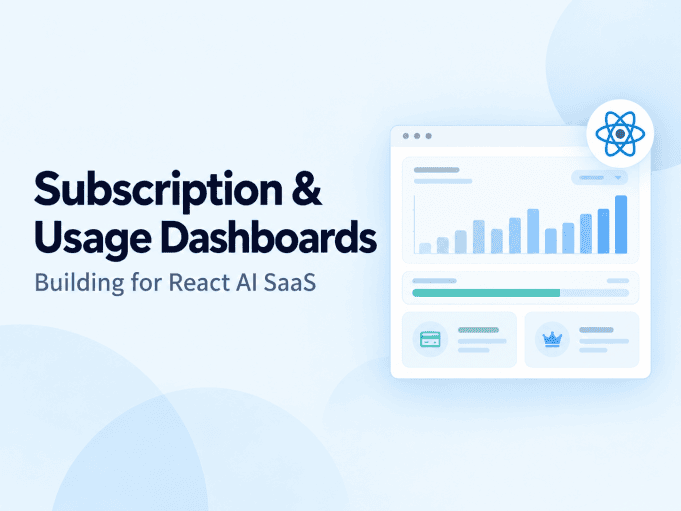
An engineering guide to purchases, credit balances, AI usage, and reliable subscription management.A Flutter AI application can generate an image, summarize a document, or transcribe a recording in seconds. Charging for those actions reliably requires a separate system.The application...
Practical guidance on architecture, Dart integration, security, mobile performance, and lessons from five companies building AI-enabled products.Adding AI to an existing Flutter application does not automatically require a new codebase, a different state-management library, or a conversational interface.A useful...

An image upload in a multimodal application has two jobs: transfer the file reliably and preserve the information an AI model needs to interpret it.Those goals can conflict. Aggressive compression may accelerate a receipt upload while making the total...
A user asks an AI assistant a question. The answer begins appearing, then stops halfway through when the phone switches from Wi-Fi to mobile data.The connection eventually returns, but the application now faces several questions: Did the server finish...
A Flutter AI application can protect its database and still expose customer information through logs. A failed request might record an authorization header. A crash report might include a conversation. An AI tracing tool might capture the document submitted...
An AI voice assistant needs microphone access. A document scanner needs a camera. A multimodal assistant may need both, but rarely at the same moment.For Flutter developers, permission management determines whether these features start reliably, recover after denial, and...

Practical guidance on backend authentication, secure storage, Firebase App Check, and protecting AI features from unauthorized usage.Adding an AI assistant to a Flutter application can take a few API calls. Protecting the credential behind those calls requires a more...
A shopping cart, a search screen, and a login flow all manage state. Yet the same feature can behave differently when implemented with Flutter’s setState or React Native’s useState.Both frameworks use declarative interfaces: developers describe what the screen should...
A Flutter chat screen can display messages correctly during development and still fail under everyday conditions. A connection drops after a message reaches the server. The app closes before an acknowledgement arrives. A history request returns after a newer...
A Flutter app can look polished while hiding serious architectural problems. Business rules may sit inside widgets, several screens may maintain conflicting copies of state, and a routine dependency upgrade may break essential features.These problems become expensive as products...